
Gu Lab
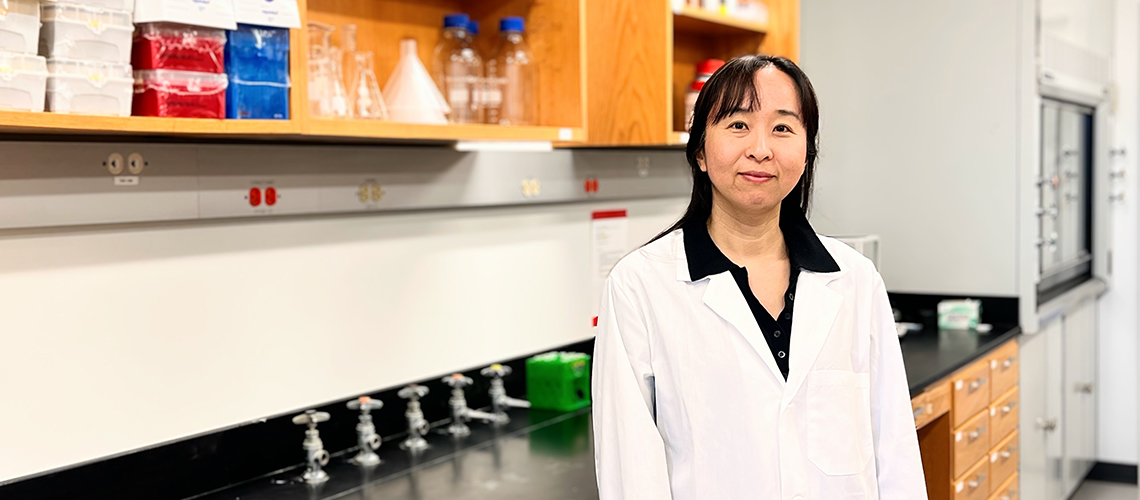
Bon-Mi Gu, Ph.D.
Assistant Member, Hackensack Meridian Health -Center for Discovery and Innovation
Assistant Professor, Department of Neurology, Hackensack Meridian School of Medicine
Research Scientist, The Neuroscience Institute at Hackensack Meridian JFK University Medical Center
Dr. Bon-Mi Gu is a systems neuroscientist, whose work addresses an important challenge in neuroscience: understanding how dysfunction in basal ganglia circuits leads to behavioral and physiological alterations in neurological disease. Her research focuses primarily on movement disorders and related conditions in which basal ganglia dysfunction plays a central role.
Dr. Gu received her MS from the Department of Neuroscience at Seoul National University, South Korea, and her PhD from the Department of Psychology and Neuroscience at Duke University. She finished her postdoctoral training in the Department of Neurology at the University of California, San Francisco, followed by two years as a researcher at Stanford University, before joining the Hackensack Meridian Health network.
Her research career began with human clinical studies, including neuroimaging combined with behavioral paradigms in patients with basal ganglia disorders. These early experiences provided a strong foundation in clinical neuroscience and motivated her pursuit of mechanistic insight. She subsequently transitioned to preclinical and basic research using rodent models to investigate the role of basal ganglia circuits in behavioral control, including timing and behavioral inhibition – processes that are disrupted in many neurological and psychiatric disorders. More recently, Dr. Gu has expanded her research to examine how the basal ganglia activity modulates physiological processes, such as respiration and cardiac rhythms. This line of work highlights previously underappreciated roles of basal ganglia circuits in coordinating behavior with internal physiological states.
Dr. Gu’s overarching goal is to elucidate how basal ganglia dysfunction causes behavioral and physiological abnormalities in neurological disorders and to bridge mechanistic discoveries from rodent models with clinical phenotypes observed in patients. Through an integrative, cross-species approach and the application of cutting-edge neuroscience techniques, she aims to advance mechanistic understanding and develop innovative, functionally targeted therapies for disorders involving basal ganglia dysfunction, including Parkinson’s disease and Huntington’s disease.