
Li Lab
Jiali Li, Ph.D.
Associate Member, Hackensack Meridian Health Center for Discovery and Innovation
Professor, Department of Neurology, Hackensack Meridian School of Medicine
Principal Investigator, The Neuroscience Institute at JFK University Medical Center
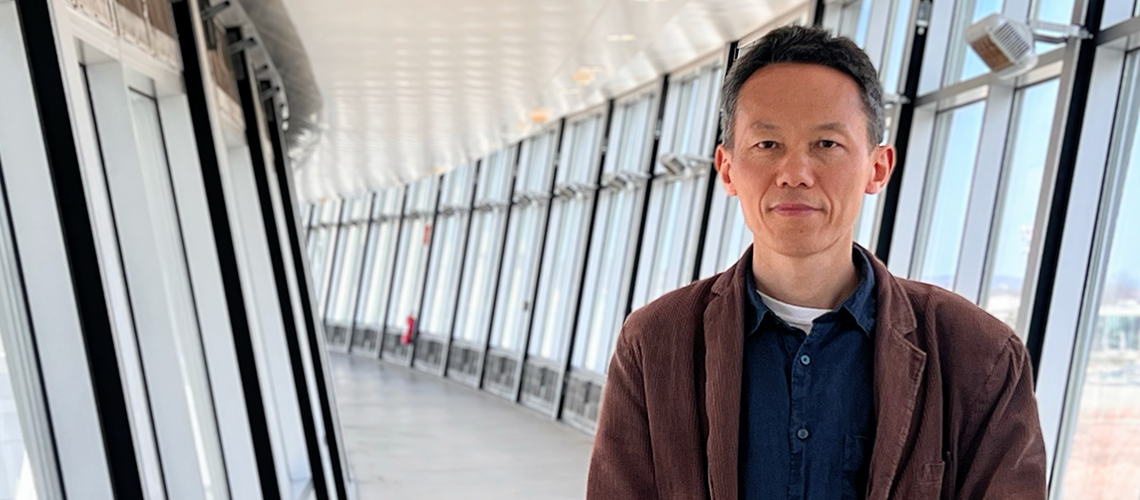
Dr. Jiali Li is an Associate Member of the Hackensack Meridian Center for Discovery and Innovation, Professor in the Department of Neurology at Hackensack Meridian School of Medicine, and a faculty member of The Neuroscience Institute at JFK University Medical Center. His research program focuses on elucidating the molecular, cellular, and circuit-level mechanisms underlying brain aging and neurodegenerative diseases, with particular emphasis on Alzheimer's disease and Ataxia-Telangiectasia. Dr. Li received his Ph.D. in Neurobiology from Fudan University in Shanghai in 2003, where his doctoral work established foundational expertise in molecular neuroscience. He subsequently completed nearly a decade of intensive postdoctoral training in the United States, during which he developed expertise in epigenetic regulation, neural circuit analysis, and neurodegenerative disease mechanisms. In recognition of his emerging leadership in neuroscience research, Dr. Li was selected for the prestigious Chinese Academy of Sciences "Hundred Talents Program" in 2013, a highly competitive initiative supporting outstanding early-career scientists. Following this recognition, Dr. Li established and directed the Epigenetics and Neurodegenerative Diseases Group at the Kunming Institute of Zoology, Chinese Academy of Sciences, where he built an innovative research program integrating neurobiology with systems neuroscience approaches. He subsequently joined Peking University Health Science Center and became a principal investigator at the PKU IDG–McGovern Institute for Brain Research, one of China's premier neuroscience research centers.
Dr. Li's research has made significant contributions to understanding how molecular and epigenetic dysregulation, neural circuit dysfunction, and neuroimmune interactions converge to drive brain aging and neurodegeneration. He has authored over 70 peer-reviewed publications in leading journals including Nature Medicine, Nature Neuroscience, Nature Communications, Brain, Genome Research, EMBO Journal, and Cell Reports Medicine. His translational research vision aims to identify mechanism-based therapeutic strategies that can preserve brain homeostasis and delay or prevent neurodegeneration in aging populations.